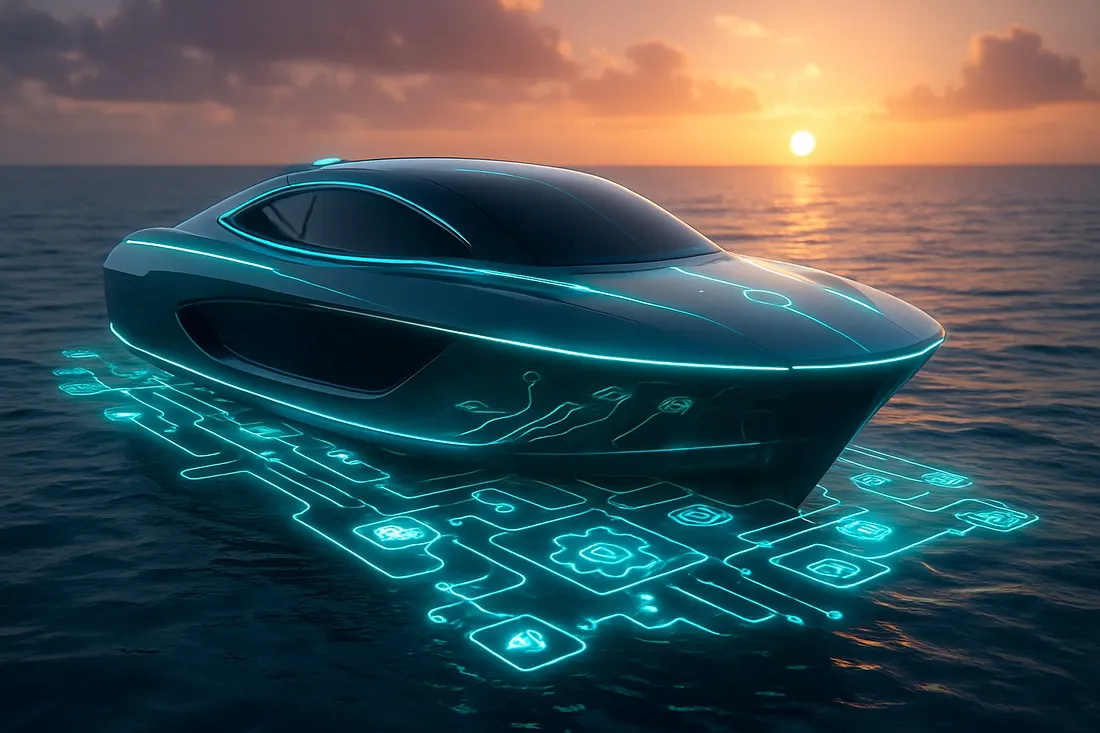
The maritime industry stands at a technological turning point in 2025. The integration of artificial intelligence systems into maritime transportation is reshaping the core paradigms of modern seafaring. This transformation spans a wide spectrum — from simple autopilot systems to complex threat detection mechanisms.
Integration of Modern Maritime Practices and Artificial IntelligenceToday’s maritime sector is entering a new era supported by big data analytics and artificial intelligence algorithms. These technologies enhance safety in maritime operations while maximizing operational efficiency. Companies in the sector are heavily investing in these technologies to gain a competitive edge.
Modern AI systems are used in three critical areas of maritime operations: navigation optimization, safety management, and maintenance planning. Each of these areas represents a key component in shaping the future of the industry.
Smart Navigation and Autonomous Sailing SystemsAutonomous vessels equipped with 2025 technology are capable of processing multiple sensor inputs in real time to make complex navigational decisions. These systems combine traditional GPS navigation with machine learning algorithms to enable highly accurate route planning.
Smart autopilot technology does more than simply follow predefined routes. It continuously analyzes sea traffic, weather conditions, and fuel economy factors to dynamically update optimal navigation strategies. This feature provides significant cost savings, especially for long-distance cargo transportation.
Adaptive Autopilot TechnologyNext-generation autopilot systems possess the capacity to learn from environmental conditions. These systems gain experience with each voyage and improve their performance over time. Through machine learning, they learn how to respond optimally to different maritime conditions.
Advanced Sensor Technologies and Environmental AnalysisModern ships are equipped with multilayered sensor networks. These sensors are analyzed by AI algorithms to provide comprehensive environmental awareness.
Radar and Image Processing SystemsWith 2025 technologies, radar systems do more than measure distances. Advanced algorithm sets combine radar data with image processing techniques to identify the type, size, and movement direction of objects — an especially critical feature in heavy maritime traffic.
LiDAR and Precision Distance MeasurementLiDAR technology enables high-precision distance measurement in maritime applications. These systems are vital for safe maneuvering in port operations and narrow passages. AI-supported LiDAR systems can conduct environmental mapping with millimeter-level accuracy.
Thermal and Multispectral ImagingThermal cameras and multispectral imaging technologies ensure visibility in nighttime and adverse weather conditions. Integrated with AI, these systems can detect dangers that are invisible under normal conditions.
Proactive Threat Detection SystemsModern threat detection systems are moving beyond reactive strategies to enable proactive security measures. These systems detect potential risks in advance and allow preventive actions to be taken.
Collision Avoidance IntelligenceAI-supported collision avoidance systems track multiple targets to develop safe maneuvering strategies in complex traffic scenarios. They analyze the behavior patterns of other vessels to propose routes that minimize the risk of collision.
Weather and Sea Condition ForecastingBy analyzing meteorological data using AI, these systems forecast the effects of weather conditions on the vessel and create safe navigation plans. They continuously monitor key parameters such as wave height, wind speed, and visibility to assess risk.
Predictive Maintenance and Fault ForecastingMachine learning algorithms analyze performance fluctuations in ship systems to detect potential failures before they occur. This approach increases safety while reducing maintenance costs by preventing unexpected breakdowns.
Smart Port OperationsWith AI integration, port technologies are transforming into the “smart port” concept. This transformation enhances port efficiency while reducing environmental impact.
Automated Docking SystemsAI-powered docking systems ensure vessels can dock safely and efficiently. These systems take into account wind, currents, and other environmental factors to achieve millimeter-precision docking.
Container Management and Logistics OptimizationSmart container management systems optimize cargo operations to maximize port throughput. These systems use real-time data analysis to determine the most efficient loading sequences, minimizing wait times.
Route Optimization and Fuel EfficiencyAI algorithms perform multi-variable optimization to calculate the most efficient routes. This optimization balances fuel consumption, travel time, and environmental impact.
Dynamic Route PlanningRoutes are continuously optimized using real-time data streams. The system considers variables such as traffic density, weather conditions, and fuel prices to suggest alternative routes.
Fuel Economy OptimizationAI systems analyze engine performance and environmental conditions to determine the most economical sailing profiles. This optimization reduces both operational costs and carbon emissions.
Cybersecurity and System IntegrityWith the increasing prevalence of autonomous systems, cybersecurity has become a critical issue. AI-supported security systems proactively detect cyber threats to maintain system integrity.
Threat Detection and ResponseMachine learning algorithms detect abnormal system behavior to identify potential cyber-attacks in advance. These systems provide real-time threat analysis and automatically take protective actions.
Data Protection and PrivacyAdvanced encryption and data security protocols are used to protect the vast amounts of data collected on ships. These systems preserve data integrity and ensure operational continuity.
Environmental Monitoring and SustainabilityAI technologies play a vital role in enhancing environmental sustainability in the maritime sector. These systems are used for emission control, waste management, and marine ecosystem protection.
Emission Monitoring and ControlReal-time emission monitoring systems ensure compliance with environmental standards. These systems optimize fuel quality and engine performance to minimize emissions.
Marine Ecosystem ProtectionAI systems developed for marine life protection optimize ship routes to avoid harming sensitive ecosystems. This technology is particularly important in environmentally critical areas.
Future Vision and Sectoral TransformationThe maritime industry is only beginning to realize the full potential of artificial intelligence technologies. In the coming years, the widespread adoption of fully autonomous ships will fundamentally alter the industry’s operational models.
The role of human crews will evolve from operational control to strategic oversight and emergency intervention. This transformation will require new approaches in workforce planning and training systems.
Voltoc’s Role in the AI-Driven Maritime TransformationVoltoc plays a pioneering role in this comprehensive technological transformation of the maritime industry. The company is heavily engaged in developing and promoting AI-supported maritime technologies. Voltoc’s expertise in electric marine vehicles and smart maritime systems makes significant contributions to the sector’s digital transformation.
Voltoc focuses on key technologies shaping the future of maritime operations. The company conducts R&D activities in areas such as autonomous navigation systems, intelligent energy management, and AI-based safety solutions. Through this work, Voltoc develops innovative solutions that aim to achieve both environmental sustainability and operational efficiency.
Voltoc’s vision in the maritime sector is to lead the industry’s transformation with solutions that combine technology and sustainability. By maximizing the potential of AI technologies in maritime applications, the company contributes to the widespread adoption of safe and eco-friendly maritime operations. Voltoc continues to shape the future of the maritime industry through its efforts in this field.